Is It Cheaper to Spray or Roll a House?
Choosing between spraying and rolling a house affects cost, finish, and time. Both methods deliver solid results when done correctly, but each comes with clear differences in labour, materials, and overall value. Cost often drives the decision, yet the full picture goes beyond the price of paint alone.
Initial Cost Comparison
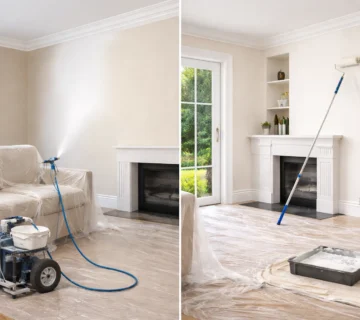
At first glance, rolling a house appears cheaper. It requires basic tools. Rollers, trays, brushes, and standard paint keep upfront costs low. Most homeowners already have some of these items, which further reduces spending.
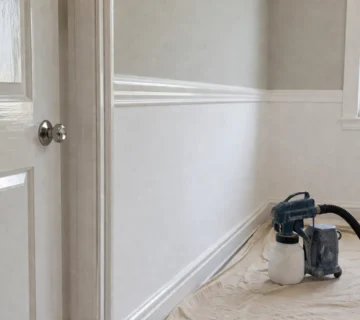
Spraying demands more equipment. A paint sprayer, masking materials, and protective gear increase initial cost. Professional sprayers cost more, and even hiring equipment adds to the budget. On paper, rolling wins the lower entry cost.
However, that simple comparison does not reflect the full expense.
Labour and Time Efficiency
Time plays a major role in cost. Rolling takes longer. Large walls require multiple passes. Cutting in around edges and fixtures adds more time. For a full house, this process stretches across several days or even weeks.
Spraying works much faster. A skilled painter can cover large areas in a fraction of the time. Walls, ceilings, and exteriors receive even coverage quickly. This speed reduces labour costs, especially when hiring professionals.
In many cases, spraying reduces overall project time by half. Less time on site often means lower labour charges. This balances out the higher equipment cost.
Paint Usage and Waste
Rolling uses paint efficiently. The roller absorbs and spreads paint evenly with minimal waste. Most of the paint ends up on the surface.
Spraying uses more paint. Fine mist creates overspray. Some paint never reaches the surface, especially outdoors or in open spaces. This increases material cost.
Professional painters manage this well. They adjust pressure, distance, and technique to limit waste. Even so, spraying often requires more paint than rolling.
Preparation Costs
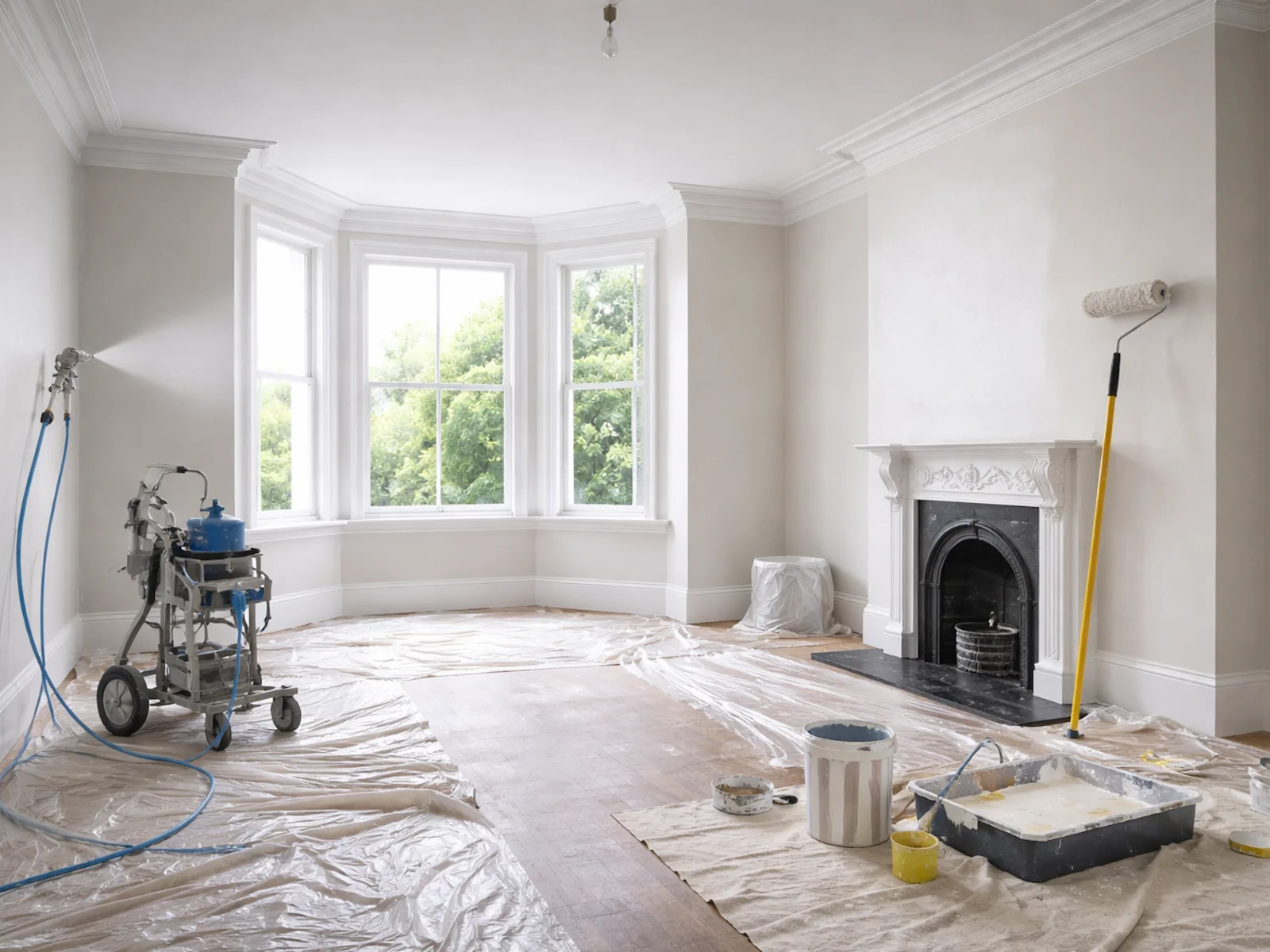
Preparation differs sharply between the two methods. Rolling needs basic prep. Clean the surface, fill cracks, and protect floors. The process stays simple and quick.
Spraying requires extensive masking. Windows, floors, fixtures, and adjacent surfaces need full coverage. Paint mist travels easily and settles on unintended areas. Skipping proper masking leads to costly clean-up or damage.
This preparation adds time and labour. It increases the overall cost of spraying, especially for detailed interiors.
Finish Quality and Value
Spraying produces a smooth, flawless finish. It leaves no roller marks or brush lines. The result looks sharp and consistent, especially on large flat surfaces, new plaster, or cabinetry.
Rolling creates a slightly textured finish. This suits many homes and hides wall imperfections. However, it cannot match the clean, factory-like look of a sprayed surface.
The finish affects long-term value. A high-quality sprayed finish often adds visual appeal and can increase property value. For modern interiors or high-end projects, spraying offers a stronger return.
Interior vs Exterior Costs
Indoors, rolling often remains more cost-effective. Rooms contain furniture, fixtures, and tight spaces. Masking every detail for spraying increases time and cost. Rolling handles these areas with more control and less preparation.
Outdoors, spraying often proves more efficient. Large exterior walls, render, and cladding benefit from fast, even coverage. The reduced labour time often offsets higher paint usage.
For exterior projects, many professionals choose spraying as the more cost-effective option overall.
Durability and Maintenance
Both methods can deliver durable results when applied correctly. The difference lies in consistency. Spraying applies an even coat across the entire surface. This reduces weak spots and improves long-term performance.
Rolling depends on technique. Uneven pressure or missed areas can affect durability. A skilled painter avoids these issues, but consistency takes more time and effort.
A well-sprayed house often requires less maintenance over time, which reduces future costs.
Final Cost Verdict
Rolling usually costs less at the start. It suits smaller jobs, tight budgets, and detailed interiors. It keeps material and equipment costs low.
Spraying costs more upfront but saves time. It delivers a higher-quality finish and often reduces labour expenses on large projects. For exteriors and open spaces, spraying becomes the more cost-effective choice.
Final Answer
For small or detailed areas, rolling is cheaper. For large surfaces and full-house projects, spraying often offers better value when factoring in time, finish, and long-term results.